Positive leadership for engineering managers: why sustainable performance is neurological, not motivational
By Lyne Marie Germain, CPQC
In Canada, engineering managers operate in high-pressure environments: complex projects, regulatory requirements, tight deadlines, multidisciplinary teams, and major financial responsibilities.
Technical competence is rarely the problem.
The difficulty appears elsewhere: in managing oneself under pressure.
I write this article as a partner at Positive Leadership Activation, where we primarily support engineering managers in developing measurable and strategic positive leadership.
My choice to specialize in this sector is not incidental.
Why engineering
When I chose to partner with an engineer at Positive Leadership Activation, this collaboration transformed my understanding of the field.
I was able to observe up close:
- The required rigour
- The decision-making pressure
- The regulatory complexity
- The societal responsibility
- The scale of structuring projects
Engineering professionals play a decisive role in the development of today's and tomorrow's world. Infrastructure, energy, technology, environment, innovation: their decisions concretely shape society. This responsibility deserves support that matches it. That is what led me to focus my efforts on these leaders.
The expert → manager transition: an invisible friction point
In engineering firms, promotion is often based on technical excellence. You become a manager because you are an expert and have demonstrated your know-how. Yet managing projects and managing people draw on different skills that also fall under interpersonal abilities.
Under pressure:
- The brain activates its protective mechanisms
- Reactions become faster than strategic
- Communication becomes rigid
- Influence decreases
This phenomenon is not a lack of competence. It is neurological.
Performance under pressure: a brain reality
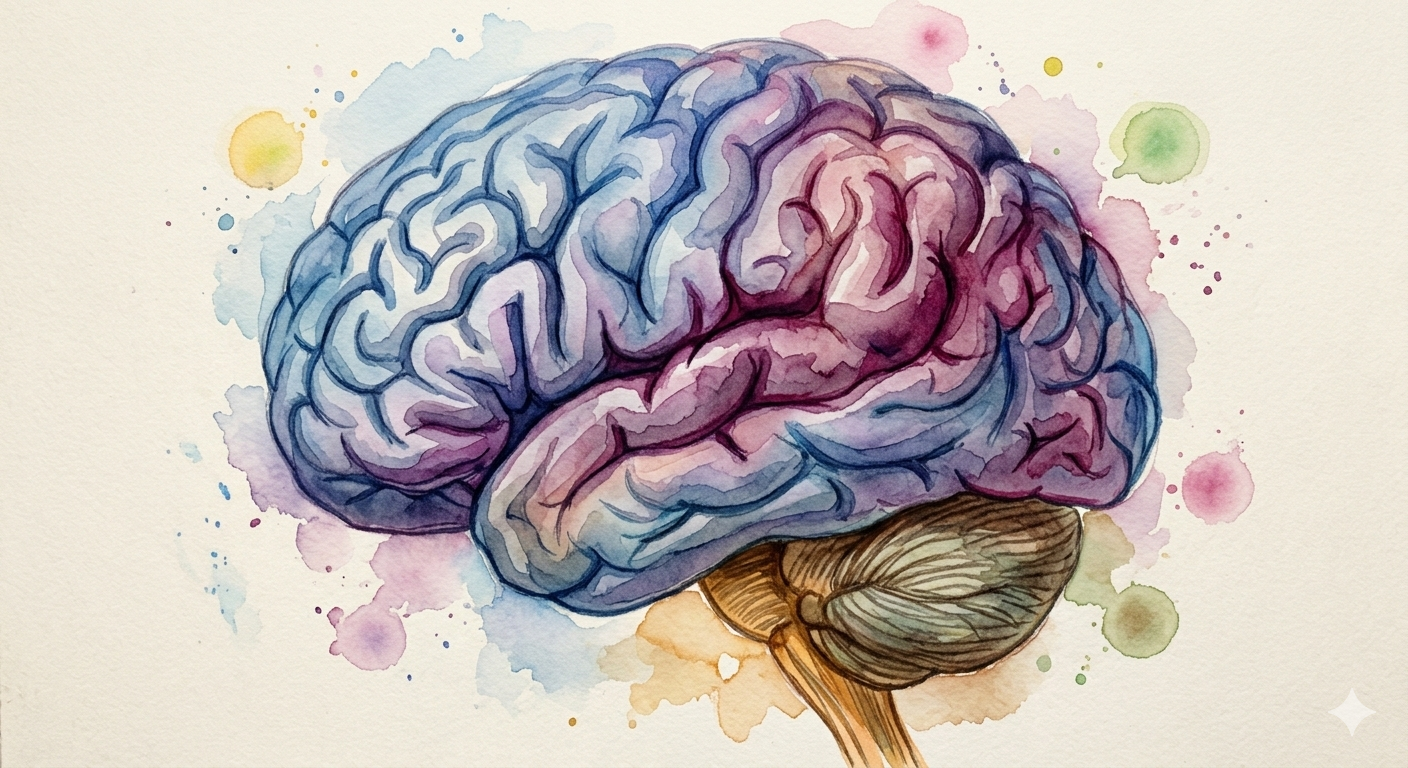
When pressure increases, the limbic system takes over.
The leader may then:
- Overcontrol
- Harden
- Avoid certain conversations
- Take refuge in hyperperformance
- Over-rationalize
These reactions are human. But in a leadership context, they limit impact. Sustainable performance requires a key capacity: conscious regulation.
Positive leadership applied to engineering
Positive leadership is not a motivational posture.
It is a structured framework with scientific foundations in neuroscience that develops:
- Self-management under pressure
- Managerial courage
- Influence without hierarchical authority
- Strategic communication
- Decision-making clarity
At Positive Leadership Activation, we integrate:
- 360° assessment
- Psychometrics (TRIMA)
- Mental training
- Strategic communication coaching
- Co-development
- Intercultural intelligence
With a clear objective: to stabilize the leader's inner posture in order to improve collective performance.
A societal responsibility
Engineering managers do not only lead teams. They lead projects that have a direct impact on:
- Infrastructure
- Cities
- The environment
- Technological innovation
- Economic development
Leadership in this sector cannot be improvised. It must be conscious, structured, and sustainable.
Conclusion
Leadership in engineering can no longer rest on technical expertise alone. It requires a fundamental skill: the ability to stay regulated when pressure rises. Because in reality, sustainable performance is not a matter of willpower. It is a matter of neurological regulation.
Call to action
If you are an engineering manager and would like to assess your stance under pressure, we offer you a 30-minute strategic meeting. https://www.activationleadership.com/schedule30min
Copyright © 2025 - Activation Leadership Positif S.E.N.C. –739 rue de Maskinongé, Québec, QC, G1X 2N5 – info@activationleadership.com